
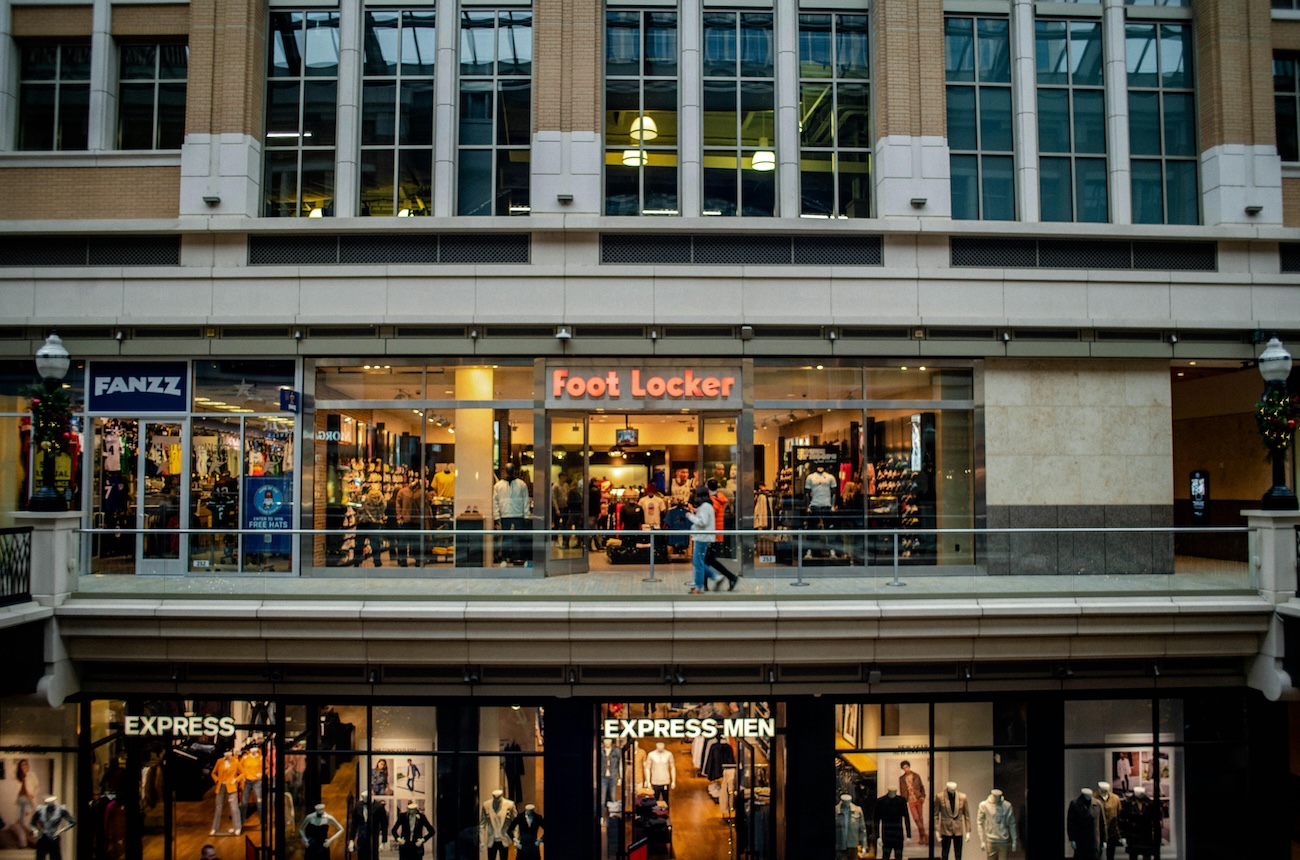
Over the past decade, retail transformation has often been framed as a story of digital migration: the rise of e-commerce, the expansion of omnichannel strategies, and the growing importance of mobile-first experiences. This perspective sometimes overlooked the broader customer experience strategy needed to connect physical and digital environments. Stores were treated as legacy assets. Important, yes, but gradually losing ground to digital convenience.
Then something unexpected happened.
Despite rapid online growth, brick-and-mortar retail did not disappear. Stores remain a key revenue driver for most major retailers, and even digital-native brands have begun opening physical locations. Supply chain challenges, experiential retail trends, and innovations in fulfillment have combined to make the store less of a liability and more of a strategic asset ready to be fully leveraged.
Today, the shift is not about moving from physical to digital. It is about blending both worlds with AI at the center of that integration. AI-driven store orchestration transforms stores from static locations into adaptive, intelligent systems. Many retailers struggle with this because early AI pilots were not built to scale across entire store networks. When applied thoughtfully, AI uses real-time data, predictive insights, and automated decision-making to turn stores into coordinated, high-performing nodes in the retail ecosystem.
As retailers contend with labor shortages, rising costs, and higher customer expectations, those who adopt AI-driven orchestration are not simply optimizing operations. They are redefining what a store can accomplish.
Retailers face multiple pressures at once. Each challenge is manageable on its own, but together they push store operations to a breaking point.
Modern stores serve many roles simultaneously: selling floor, returns hub, fulfillment center, micro-warehouse, customer service desk, and brand experience venue. Workflows shift constantly and vary by store, time of day, and demand. Many retailers still rely on static schedules, manual tools, and process models designed for a simpler operating environment. The result is overstaffed slow periods, understaffed peak hours, inconsistent customer experiences, slower fulfillment, increased shrink risk, and lower labor efficiency. This level of complexity creates a real-time coordination problem that traditional tools were not built to solve.
Shaped by mobile apps and AI-driven personalization in everyday life, customers increasingly expect stores to operate with the same speed and intelligence as digital channels. Inventory accuracy, product discoverability, associate knowledge, frictionless checkout, and fast fulfillment are no longer differentiators. They are baseline expectations. The gap between store operations and customer expectations continues to widen.
Turnover remains a persistent challenge for frontline retail teams. Even when headcount targets are met, skill levels, training consistency, and task proficiency vary widely across locations and regions. Many retailers are still designing workflows for an ideal workforce rather than the one they actually have. AI does not replace store labor. It helps teams perform at a level that would otherwise be difficult to sustain.
Rising wages, competitive pricing, and promotion-driven markets have made operational efficiency essential. Fully autonomous stores are not imminent, but targeted automation can reduce waste, improve decisions, and support associates in higher-value work. The objective is not fewer people. It is smarter, more efficient ways of operating.
Retailers have access to vast amounts of data, including POS transactions, traffic patterns, inventory levels, associate metrics, RFID signals, planograms, supply chain inputs, digital demand, and loyalty data. Without orchestration, this information remains fragmented, reactive, and underused. Stores do not need more dashboards. They need timely, coordinated decisions. AI-driven orchestration converts fragmented data into actionable intelligence that guides day-to-day operations in the store.
Retailers often struggle with AI adoption because they implement it as a collection of isolated tools rather than as part of a coordinated operating model. Improving individual tasks can deliver incremental gains, but sustained performance improvements emerge when systems work together as a cohesive whole.
Two missteps are especially common:
Store work is multi-dimensional, relational, and frequently improvisational. Automation can handle repetitive and rules-based activities, but human judgment and customer interaction remain essential. The largest gains come from reducing friction in daily work, not from removing people from the equation.
Pilots focused on scheduling, inventory, fulfillment, or loss prevention can create localized value, but they do not address the broader coordination challenge within store operations. Durable transformation requires AI to operate across labor, inventory, service, space, fulfillment, and merchandising. A store is not a set of isolated tasks. It functions as an interconnected system.
Recognizing these pitfalls clarifies why orchestration matters. AI-driven store orchestration enables every part of the store to operate together in near real time, rather than as disconnected silos.
At its core, AI-driven store orchestration turns the store into a more responsive and adaptive operating system. People remain in control, while AI helps manage complexity and timing across daily operations.
Orchestration coordinates associate tasks, aligns labor to demand and skill availability, anticipates inventory needs, supports replenishment decisions, and helps prioritize fulfillment activities. Data from systems such as POS, workforce management, learning platforms, CRM, cameras, and in-store sensors is brought together through a shared intelligence layer. AI analyzes this data to surface risks, identify opportunities, recommend actions, and flag issues earlier than traditional reporting allows.
Beyond automation, orchestration improves experiences for both customers and associates. It reduces friction across service, visual execution, pickup and returns, and localized merchandising. The real impact comes from the system’s ability to align what is happening across the store at the same time, rather than optimizing each function in isolation.
When applied effectively, AI-driven orchestration starts to show up in how stores actually run:
Retailers do not need to bet on moonshot projects or fully autonomous stores. They need a structured, repeatable path to store orchestration that delivers value incrementally and scales across the network. Below is the framework Concord uses to help retailers move from fragmented operations to coordinated, AI-driven execution.
Assess end-to-end process flows, data readiness, inventory behavior, labor deployment, execution gaps, operating models, and system architecture. Most store challenges span functions and teams, which means they cannot be solved in isolation.
Connect and harmonize data streams, apply predictive and prescriptive analytics, generate prioritized recommendations, and enable real-time execution. This is not another dashboard. It is a decision engine that supports day-to-day store operations.
Start with use cases that directly affect how work gets done in the store, such as predictive replenishment, shift-level labor optimization, fulfillment prioritization, real-time task management, shrink prevention, and associate guidance.
Give stores the flexibility to respond to local conditions while operating within clear enterprise guardrails. This balance allows for local adaptation without sacrificing consistency, control, or visibility.
Associates are not given more tasks. They are given clearer priorities and better guidance. Mobile workflows, predictive alerts, and contextual recommendations help teams work with less friction and greater impact.
Track metrics that reflect the health of the store as a system, including execution efficiency, labor effectiveness, predictive accuracy, operational stability, and experience quality. These measures go beyond activity tracking to show whether orchestration is truly working.
AI-driven orchestration is steadily becoming a foundational capability rather than a differentiator. Over the next few years, leading retailers will enable stores to operate more dynamically: reallocating labor based on real-time demand, improving replenishment precision, guiding associates with contextual recommendations, reducing fulfillment bottlenecks, and anticipating inventory needs earlier in the cycle. Store environments will become more responsive to changing conditions, not through full automation, but through better coordination and decision-making.
The store of the future will not be fully automated. It will be intelligent, adaptive, and highly responsive, with people and AI working together to deliver efficient operations and better in-store experiences.
AI-driven store orchestration holds significant promise, but moving from pilots to consistent, networkwide impact requires more than new tools. It requires the right operating model, data foundation, and execution expertise. Concord partners with retailers to help bridge the gap between innovation and day-to-day operations, ensuring AI initiatives drive meaningful change rather than isolated automation.
We help organizations:
As stores evolve into more adaptive and intelligent environments, Concord helps retailers turn orchestration into a practical advantage, bringing clarity to complexity and translating potential into sustained operational improvements.
If you are ready to prepare your stores for the next era of retail, Concord can help guide the journey.

Not sure on your next step? We'd love to hear about your business challenges. No pitch. No strings attached.


